
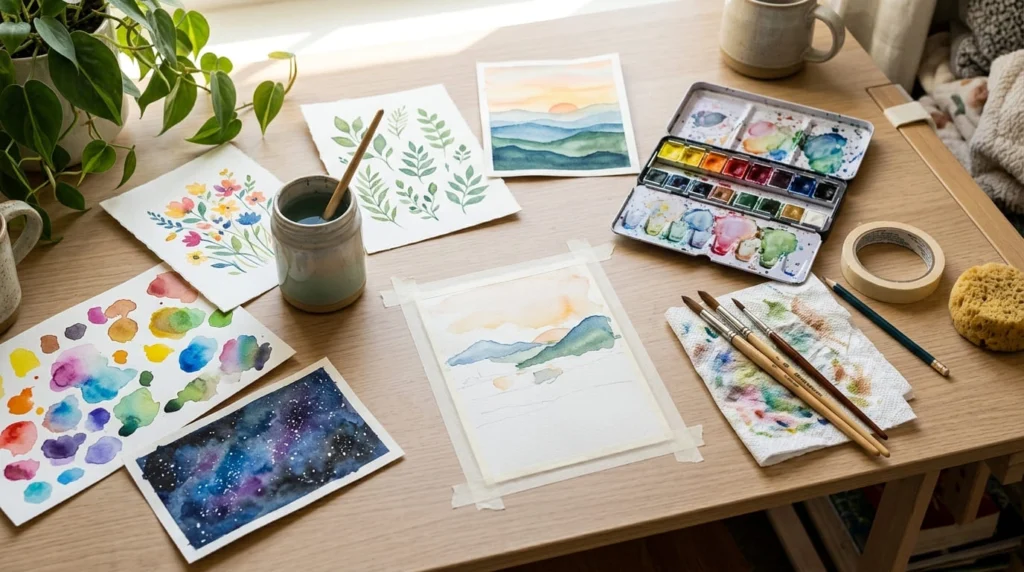
Watercolor painting is a simple and enjoyable way to explore creativity. You do not need to be an experienced artist to start creating beautiful artwork. With a few basic supplies and some simple techniques, anyone can enjoy painting with watercolors.
Watercolors are popular among beginners because they are easy to use, affordable, and allow you to experiment with colors in many different ways. From soft flowers and peaceful landscapes to colorful abstract designs, there are endless possibilities to explore.
The best part about watercolor painting is that every artwork can have its own unique style. Even simple brush strokes can create beautiful effects when combined with the right amount of water and color.
Watercolor painting is a great activity for:
• Beginners learning a new skill
• Kids exploring creativity
• Adults looking for a relaxing hobby
• Craft lovers creating handmade artwork
• Anyone who enjoys experimenting with colors
In this guide, you will discover easy watercolor painting ideas for beginners, basic supplies you need, simple techniques to practice, and creative projects you can try at home.
Why Watercolor Painting Is Great for Beginners
Watercolor painting is one of the easiest art forms to start because it does not require complicated tools or advanced skills.
Many beginners feel nervous when trying painting for the first time because they think they need perfect drawing skills. However, watercolor allows you to learn slowly and improve through practice.
The natural flow of watercolor creates beautiful effects that make even simple paintings look interesting.
Unlike some other painting styles, watercolor requires only a few basic materials. A small paint set, brushes, paper, and water are enough to begin creating artwork.
This makes watercolor painting an accessible hobby for people who want to explore their creative side without spending a lot of money.
Another reason beginners enjoy watercolor is that the process feels relaxing. Watching colors blend together and create soft patterns can be a calming experience.
Watercolor painting can be used for many creative projects, including:
• Greeting cards
• Wall decorations
• Bookmarks
• Journal designs
• Handmade gifts
• Personal artwork
There is no need to focus only on creating perfect paintings. The goal is to enjoy the process, experiment with colors, and build confidence over time.
Benefits of Watercolor Painting
Watercolor painting offers many benefits beyond creating beautiful artwork.
It is a creative activity that can help people express ideas, improve skills, and enjoy peaceful moments.
Improves Creativity
Watercolor encourages you to experiment with colors, shapes, and different painting styles.
Unlike following strict rules, watercolor allows you to create artwork based on your own imagination.
You can try different ideas such as:
• Mixing unexpected colors
• Creating unique patterns
• Painting from imagination
• Experimenting with brush movements
Each painting becomes an opportunity to discover your personal style.
Helps With Relaxation
Painting can be a relaxing activity because it allows you to focus on the present moment.
The process of choosing colors, moving the brush, and watching the paint spread across paper can help create a peaceful experience.
Many people enjoy watercolor painting as a hobby because it gives them time away from daily stress.
Builds Confidence
Beginners often improve quickly when they practice watercolor regularly.
Starting with simple designs and gradually trying new techniques helps build artistic confidence.
Every finished painting, even a simple one, shows progress and encourages you to continue learning.
Creates Handmade Artwork
Watercolor paintings can become meaningful handmade creations.
You can use your artwork for:
• Home decoration
• Personalized gifts
• Handmade cards
• Creative journals
A painting created by hand has a personal touch that makes it special.
Suitable for Different Ages
Watercolor painting is suitable for children, teenagers, and adults.
Young artists can enjoy exploring colors, while adults can use watercolor as a relaxing creative hobby.
The difficulty level can be adjusted depending on experience, making it a flexible activity for everyone.
Basic Supplies Needed for Watercolor Painting
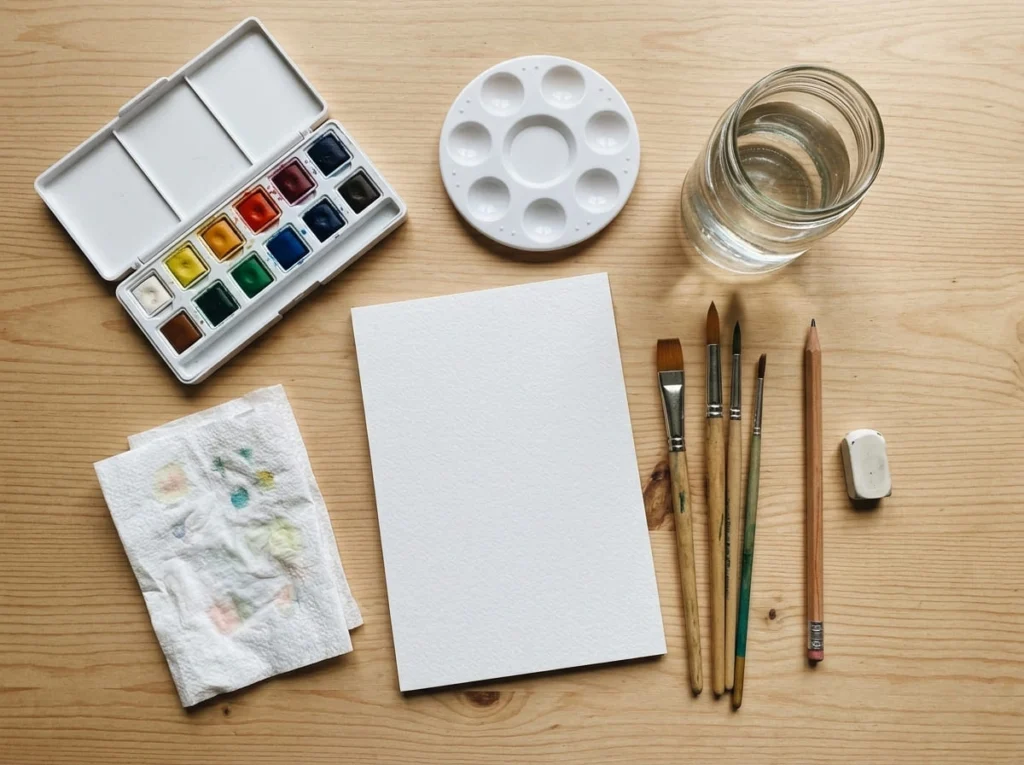
Before starting watercolor painting, it is helpful to prepare the right supplies.
The good news is that beginners do not need a large collection of expensive materials. A few basic items are enough to start practicing and creating simple artwork.
Choosing suitable supplies can make the painting process easier and help you achieve better results.
Watercolor Paints
Watercolor paints are the main material needed for creating your artwork.
Beginners usually start with a small watercolor set because it provides several basic colors without requiring a large investment.
Watercolor paints are available in different forms:
• Pan watercolors
• Tube watercolors
• Liquid watercolors
Pan watercolors are popular for beginners because they are easy to store and use.
When choosing colors, a basic set with primary shades is enough to create many different combinations.
Common beginner colors include:
• Red
• Blue
• Yellow
• Green
• Purple
• Black
Learning how to mix these colors will help you create many additional shades.
Watercolor Paper
Watercolor paper is one of the most important supplies because regular paper may not handle water properly.
Watercolor paper is designed to absorb water while maintaining its shape.
Good options include:
• Cold pressed watercolor paper
• Thick watercolor sheets
• Watercolor sketchbooks
Using better quality paper helps prevent:
• Wrinkling
• Tearing
• Uneven paint absorption
Beginners often notice a big difference when using proper watercolor paper instead of regular printing paper.
Paint Brushes
Paint brushes help control how the watercolor moves across the paper.
Different brush shapes create different effects.
Useful beginner brushes include:
• Round brush
• Flat brush
• Detail brush
A round brush is one of the most useful options because it can create both thin lines and wider strokes depending on the pressure used.
A smaller detail brush helps add fine details to paintings.
Water Container and Palette
Water is an essential part of watercolor painting because it controls how the paint spreads.
Keep a clean water container nearby for:
• Wetting brushes
• Cleaning colors
• Creating lighter shades
A palette is also useful for mixing different colors before applying them to paper.
You can use a traditional paint palette or any clean surface designed for mixing colors.
Other Helpful Supplies
Besides the main materials, a few additional tools can make painting easier.
Helpful supplies include:
• Pencil for sketching
• Eraser for corrections
• Paper towel for controlling water
• Masking tape for clean edges
• Ruler for straight lines
These extra items are not required for every painting, but they can help beginners create cleaner and more organized artwork.
Easy Watercolor Painting Ideas for Beginners
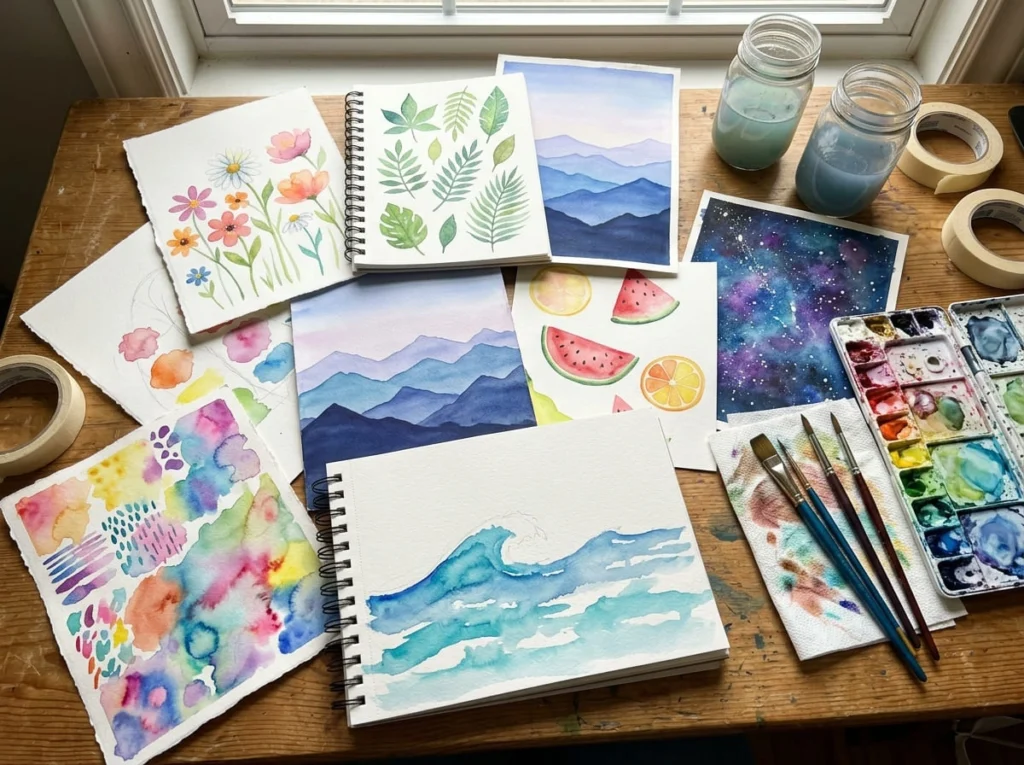
Starting watercolor painting can feel challenging at first, but choosing simple projects makes the learning process easier and more enjoyable.
Beginners do not need to create detailed artwork right away. Simple shapes, color experiments, and basic designs are great ways to practice brush control and understand how watercolor behaves on paper.
The following watercolor painting ideas are perfect for beginners because they focus on easy techniques while allowing plenty of creativity.
Simple Watercolor Flowers
Flowers are one of the best watercolor painting ideas for beginners because they do not require perfect shapes or complicated details.
Watercolor naturally creates soft edges and blended colors, which makes flower paintings look beautiful even with simple brush strokes.
Begin with easy flower designs such as:
• Daisies
• Tulips
• Roses
• Wildflowers
• Simple garden flowers
You can start by painting small circles or curved brush strokes to create petals. Then add a darker color in the center to make the flower look more detailed.
Try experimenting with different color combinations:
• Pink and purple flowers
• Yellow and orange flowers
• Blue and white flowers
• Mixed colorful flowers
The goal is not to create a realistic flower immediately. Focus on learning how colors blend and how different brush movements create different shapes.
Watercolor Leaves and Plants
Leaves and plants are another beginner friendly watercolor project.
They are easier than detailed flowers and help beginners practice creating natural shapes.
Simple plant ideas include:
• Green leaves
• Small branches
• Succulents
• Fern patterns
To paint leaves, use the tip and side of your brush to create different shapes.
You can create:
• Thin leaves with a light touch
• Wider leaves by pressing the brush harder
• Different shades by mixing green with other colors
Plant paintings are great for practicing repetition because you can create many similar shapes while still making each one unique.
Watercolor Galaxy Painting
Galaxy paintings are popular among beginners because they create beautiful results without requiring complicated techniques.
A galaxy design usually combines dark and light colors to create a dreamy night sky effect.
Common galaxy colors include:
• Blue
• Purple
• Pink
• Black
• White
To create a simple galaxy painting:
• Add dark colors to the paper
• Blend different shades together
• Add small white dots for stars
• Create lighter areas for glowing effects
Galaxy paintings are a great way to practice color blending and layering.
Each painting can look different depending on the colors and patterns you create.
Simple Watercolor Landscapes
Landscape painting is another great option for beginners.
You do not need to paint every small detail. Simple shapes and color layers can create beautiful scenes.
Beginner landscape ideas include:
• Mountains
• Forests
• Sunsets
• Beaches
• Fields
For example, a simple sunset painting can include:
• A yellow and orange sky
• Dark tree shapes
• A blue or purple background
The key is focusing on large color areas instead of small details.
Watercolor landscapes help beginners understand how to create depth using different shades and layers.
Watercolor Abstract Art
Abstract watercolor art is perfect for beginners because there are no strict rules.
You can create beautiful artwork by simply experimenting with colors, shapes, and brush movements.
Simple abstract ideas include:
• Color circles
• Random brush strokes
• Blended backgrounds
• Geometric shapes
Abstract painting helps beginners become comfortable with watercolor because there is no pressure to create a specific object.
You can focus on:
• Color combinations
• Paint movement
• Water control
• Creative expression
This makes abstract art a relaxing and enjoyable watercolor activity.
Watercolor Ocean Waves
Ocean paintings are a fun way to practice using different shades of blue.
Watercolor works especially well for creating the soft movement of water.
Beginner ocean ideas include:
• Simple waves
• Beach scenes
• Sea backgrounds
• Underwater designs
You can use different blue shades to create depth.
Adding small details like white wave lines can make the painting look more realistic.
Ocean painting also helps beginners practice blending colors smoothly.
Watercolor Fruit Painting
Painting fruits is a simple way to practice shapes and shading.
Fruits usually have basic forms, making them easier for beginners to paint.
Good beginner fruit ideas include:
• Apples
• Lemons
• Oranges
• Strawberries
• Watermelon slices
Start with the basic shape and then add darker colors to create shadows.
Fruit painting helps beginners understand:
• Light and shadow
• Color mixing
• Layering techniques
These paintings can also be used for kitchen decorations or handmade cards.
Watercolor Lettering
Watercolor lettering combines painting with creative writing.
It is a great beginner project for people who enjoy creating personalized artwork.
You can paint:
• Names
• Short quotes
• Inspirational words
• Greeting card messages
Start with simple letters and practice controlling the brush pressure.
Watercolor lettering can be used for:
• Cards
• Journals
• Wall art
• Gift tags
This project helps improve brush control while creating something useful.
Beginner Watercolor Techniques to Try
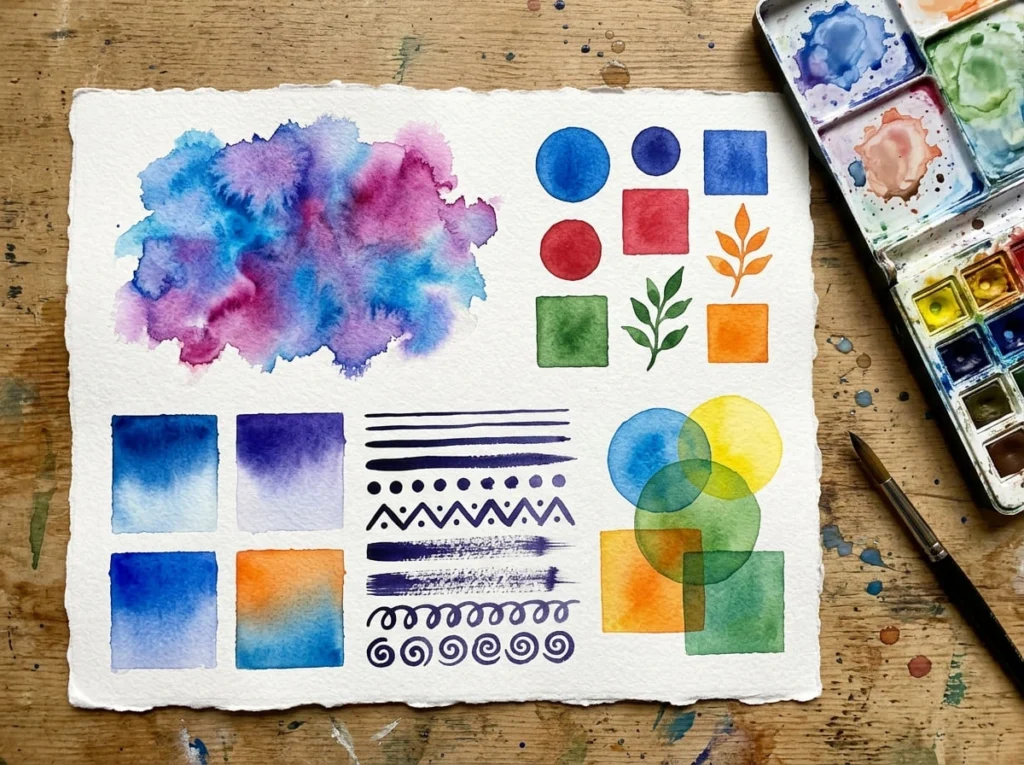
Learning basic techniques can help beginners create better watercolor paintings.
These techniques do not require advanced skills and can be practiced with simple projects.
Wet on Wet Technique
The wet on wet technique involves applying watercolor onto wet paper.
This creates soft blends and smooth color transitions.
It is commonly used for:
• Sky backgrounds
• Galaxy paintings
• Soft flowers
• Abstract designs
To try this technique:
• Wet the paper with clean water
• Add watercolor while the surface is still damp
• Allow colors to spread naturally
The paint will move with the water and create gentle effects.
Wet on Dry Technique
The wet on dry technique means applying wet paint onto dry paper.
This creates sharper lines and more controlled details.
It is useful for:
• Adding outlines
• Painting small details
• Creating defined shapes
Beginners can use this technique when they want more control over where the paint goes.
Color Blending
Color blending is an important watercolor skill.
It involves combining two or more colors to create smooth transitions.
For example:
• Blue fading into purple
• Yellow blending into orange
• Green mixing with blue
Practice blending helps beginners understand how much water and paint to use.
Creating Texture
Watercolor textures can make simple paintings more interesting.
You can create textures using different brush movements.
Try:
• Dabbing the brush
• Dry brush strokes
• Small dots
• Light washes
Experimenting with texture helps beginners discover new painting styles.
Layering Colors
Layering means adding new paint over a dry layer to create more depth.
This technique helps paintings look richer and more detailed.
Beginners can use layering for:
• Shadows
• Darker areas
• Extra details
Allow each layer to dry before adding another one.
This prevents colors from becoming muddy.
Tips for Better Watercolor Paintings
Improving watercolor skills takes time and practice, but a few simple tips can help beginners create better results and enjoy the learning process.
Watercolor painting is not about creating perfect artwork from the beginning. It is about understanding how colors, water, and brushes work together.
These tips can help beginners feel more confident while practicing.
Start With Simple Designs
Beginners often make the mistake of choosing complicated projects too early.
Starting with simple designs helps you understand basic watercolor techniques without feeling overwhelmed.
Good beginner projects include:
• Simple flowers
• Basic landscapes
• Abstract patterns
• Small fruit paintings
• Color experiments
Simple paintings allow you to focus on improving brush control and color mixing.
As your confidence grows, you can slowly move toward more detailed artwork.
Practice Brush Control
Learning how to control your brush is an important part of watercolor painting.
The pressure you apply and the amount of paint on your brush can change the appearance of your strokes.
Practice creating:
• Thin lines
• Thick strokes
• Light washes
• Darker areas
A gentle touch creates lighter marks, while more pressure creates wider and stronger strokes.
Regular practice helps you understand how your brush behaves.
Use Enough Water
Water is one of the most important parts of watercolor painting.
The amount of water you use affects how the paint moves and how strong the colors appear.
Too much water can make colors look very light and difficult to control.
Too little water can make the paint appear dry and uneven.
Experiment with different amounts of water to learn how it changes your artwork.
Let Layers Dry
Layering colors can create beautiful depth in watercolor paintings.
However, it is important to allow each layer to dry before adding more paint.
If you add new colors too quickly, the paints may mix together and create unwanted muddy areas.
Waiting between layers helps you create:
• Cleaner details
• Stronger colors
• Better depth
Patience is an important part of successful watercolor painting.
Experiment With Colors
One of the most enjoyable parts of watercolor painting is exploring different color combinations.
Do not be afraid to try new ideas.
You can experiment with:
• Mixing different shades
• Creating gradients
• Combining warm and cool colors
• Testing new palettes
Color experiments help you discover your own painting style and improve your understanding of how colors work together.
Do Not Fear Mistakes
Mistakes are a natural part of learning watercolor painting.
Many beautiful effects happen through unexpected results.
Instead of worrying about every mistake, use them as opportunities to learn.
You can:
• Add more layers
• Turn marks into new designs
• Experiment with different techniques
Every painting helps you improve.
Common Mistakes Beginners Make in Watercolor Painting
Watercolor can take some practice to understand, and beginners often make similar mistakes while learning.
Knowing these common problems can help you avoid frustration and improve faster.
Using Too Much Water
Using too much water can make the paint difficult to control.
The colors may spread too far and create unwanted effects.
Try practicing with different amounts of water to find the right balance.
Learning water control is one of the most important watercolor skills.
Using Poor Quality Paper
Regular paper is not designed to handle watercolor properly.
It can become:
• Wrinkled
• Torn
• Too wet
Using watercolor paper helps the paint move smoothly and creates better results.
Good paper can make a big difference, especially for beginners.
Over Mixing Colors
Mixing colors is an important skill, but too much mixing can create dull results.
When many colors blend together, they may lose their brightness.
Try using a smaller number of colors and allow them to blend naturally.
Simple color combinations often create beautiful paintings.
Adding Too Many Details
Beginners sometimes focus on adding too many details too early.
Watercolor often looks beautiful because of its simplicity.
Start with:
• Basic shapes
• Large color areas
• Simple forms
You can add details later as your skills improve.
Not Letting Paint Dry
Adding new layers before the previous layer dries can cause colors to mix unexpectedly.
Allow enough drying time between layers.
This helps maintain clear shapes and creates a cleaner finished painting.
Easy Watercolor Projects to Create at Home
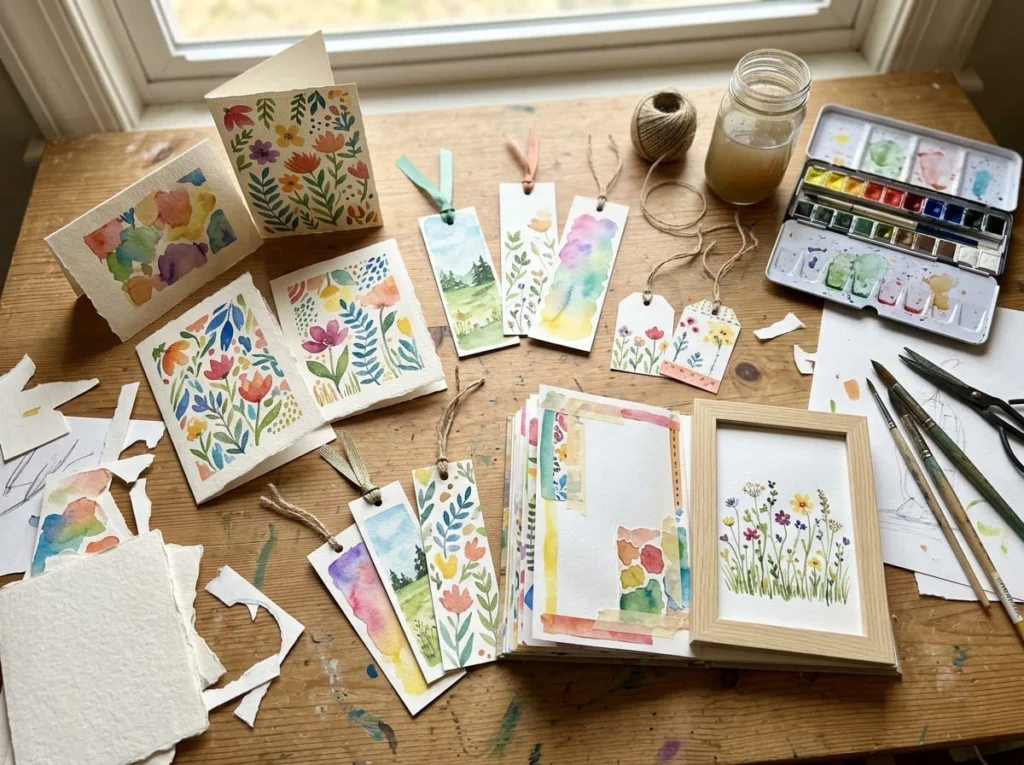
Once you understand basic techniques, you can use watercolor to create many useful handmade projects.
These ideas are simple enough for beginners and can become beautiful decorations or gifts.
Handmade Greeting Cards
Watercolor is perfect for creating personalized greeting cards.
You can paint:
• Flowers
• Simple patterns
• Seasonal designs
• Abstract backgrounds
Handmade cards are a thoughtful way to share your artwork with friends and family.
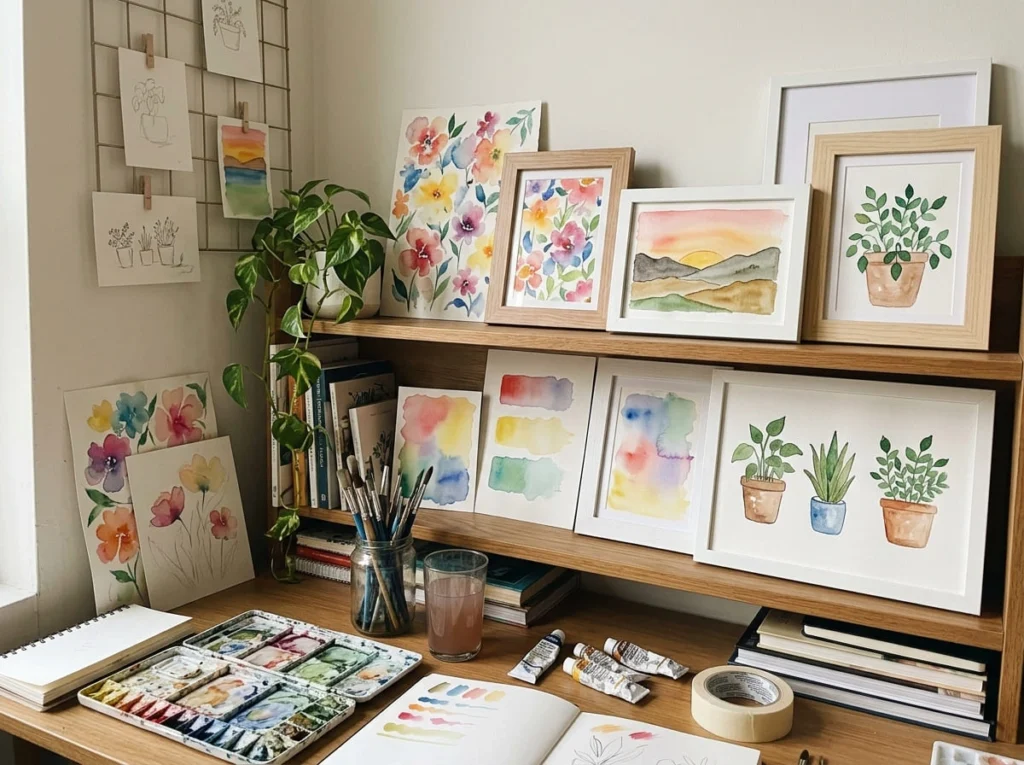
Wall Art
Simple watercolor paintings can become beautiful home decorations.
You can create:
• Abstract artwork
• Nature paintings
• Landscape designs
• Colorful patterns
Place your finished artwork in a frame to create handmade wall decor.
Bookmarks
Watercolor bookmarks are a fun and practical project.
You can paint small designs on thick paper and add details like:
• Flowers
• Quotes
• Patterns
• Color gradients
These handmade bookmarks also make great small gifts.
Gift Tags
Watercolor can turn simple gift tags into creative decorations.
You can paint:
• Small flowers
• Holiday designs
• Simple patterns
• Personalized names
Handmade gift tags add a special touch to presents.
Journal Decorations
Watercolor is also popular for decorating journals and notebooks.
You can create:
• Page borders
• Small illustrations
• Color backgrounds
• Decorative headings
This is a relaxing way to combine painting with writing.
Frequently Asked Questions
Is watercolor painting good for beginners?
Yes, watercolor painting is a great choice for beginners because it requires simple supplies and allows people to learn gradually.
Starting with easy projects helps build confidence and improve skills over time.
What should a beginner paint with watercolor?
Beginners can start with simple subjects such as:
• Flowers
• Leaves
• Landscapes
• Abstract designs
• Basic shapes
These projects help practice important skills like color mixing and brush control.
What supplies do beginners need for watercolor painting?
Basic watercolor supplies include:
• Watercolor paints
• Watercolor paper
• Paint brushes
• Water container
• Palette
Extra supplies like pencils and masking tape can also be helpful.
Is watercolor easier than acrylic painting?
Watercolor and acrylic painting both have different learning processes.
Watercolor is known for its soft effects and transparency, while acrylic paint is thicker and more opaque.
The easier option depends on personal preference and the style someone wants to create.
How long does it take to learn watercolor?
The time needed to improve depends on how often you practice.
Beginners can learn basic techniques quickly, but developing stronger skills requires regular practice and experimentation.
Can kids try watercolor painting?
Yes, watercolor painting is a fun activity for children.
It allows kids to explore colors and creativity while practicing artistic skills.
Younger children should be supervised to avoid spills and help them use supplies safely.
What paper is best for watercolor painting?
Watercolor paper is the best choice because it is designed to handle water and paint.
Thicker paper usually creates better results because it absorbs moisture without becoming damaged easily.
How can beginners improve watercolor skills?
Beginners can improve by:
• Practicing regularly
• Trying different techniques
• Experimenting with colors
• Learning from mistakes
• Creating simple projects
Consistent practice helps build confidence and control.
Final Thoughts
Watercolor painting is a creative and enjoyable activity that anyone can try.
You do not need advanced skills or expensive equipment to begin. With a few basic supplies and simple ideas, beginners can create beautiful handmade artwork while learning new techniques.
The most important part of watercolor painting is enjoying the process. Experiment with colors, practice different brush movements, and allow yourself to learn through every painting.
From simple flowers and landscapes to abstract designs and handmade gifts, watercolor offers endless creative possibilities.
Start with a small project, keep practicing, and enjoy creating your own unique watercolor artwork.